Excavation support crews
Describe the ground works, the areas requiring manual support, and the machinery already arranged. Include the project's supervision and work-plan requirements so personnel duties can be defined clearly.
Request site manpower for excavation, welding, or gypsum work in Kuwait. ATJ International can discuss crew requirements for each trade based on the work sequence and site schedule.
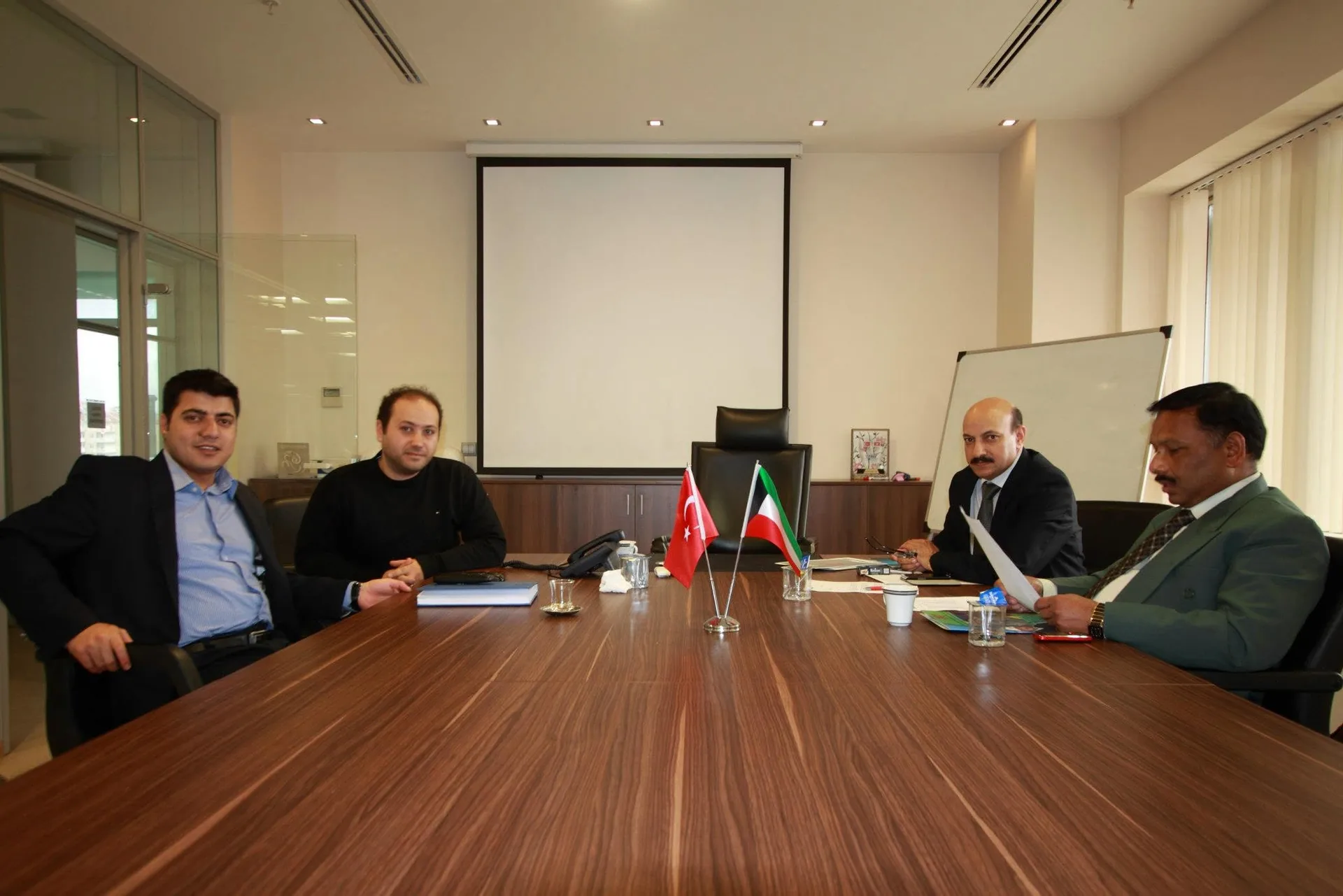
Excavation, welding, and gypsum work often occur at different stages of a project and require different trades. Combining them in a procurement request is useful when each work package remains clearly defined. ATJ International handles specialist site crew enquiries in Kuwait. This guide helps you describe the tasks, sequencing, and team requirements so the proposed manpower can be reviewed against the actual work programme.
Prepare a separate work description for excavation, welding, and gypsum activities. State the quantities or areas involved, the tasks assigned to the crew, and the experience you expect. Include the information that materially affects each trade, such as the welding process or gypsum system specified by the project. Identify the supervisor and the method for checking completed work. A structured enquiry allows the proposed crew mix to be reviewed against the work packages without losing the differences between the trades.
A crew can only work effectively when its work area, materials, and preceding activities are ready. Show the planned start and finish dates for each package and explain any dependencies between them. Identify whether trades will work in parallel or move through the site in sequence. If dates remain provisional, state the expected confirmation point. Share any access or working-hour restrictions that affect the programme. This gives the staffing discussion a realistic schedule and helps you identify where headcount requirements may change.
List the resources your organisation provides and those you want included in the enquiry. For welding, specify the required process qualifications and the party responsible for approving personnel and completed work. For gypsum activities, identify who supplies the specified materials and confirms readiness for finishing. For excavation support, explain the interface with machinery and site supervision. Ask for these responsibilities to be reflected in the proposal. Clear handovers between trades help your project team review progress and communicate changes to the agreed scope.
Share the details you have. Final specification, availability, and scope are confirmed with your quotation.
List each trade or technical role, the number of people required, and the intended assignment dates. Describe the tasks they will perform and the experience you expect them to bring. Highlight any qualifications or project approvals that must be reviewed before mobilisation. A role schedule gives your site team and procurement team a common reference when discussing the proposed workforce.
Identify the person responsible for assigning work, checking completion, and approving attendance. Set out the shift pattern, handover arrangements, and the method for reporting changes to the scope. Discuss the provision of tools, transport, accommodation, and other project arrangements in the quotation. These responsibilities depend on the agreed assignment and should be recorded before the team is scheduled.
Review the proposed skills, availability, mobilisation plan, and commercial terms with ATJ. Share your site access and induction requirements early enough for them to be considered. For continuing assignments, agree how you will review coverage and communicate headcount changes. Final staffing, certifications, response commitments, and start dates depend on the confirmed scope and the personnel available for that assignment.
Yes. Select the trade you need and describe its scope, quantities, dates, and headcount. The page groups related site crew enquiries, but the proposed assignment can be discussed around the particular work package you require.
Include the welding process, materials, work location, and required qualifications. State who supplies equipment and consumables and how personnel will be approved. These details help define the skills and responsibilities covered by the proposal.
Include a mobilisation schedule showing the intended dates for each trade. Explain which dates depend on other work being completed. ATJ can review the request against availability, with the final assignments and dates confirmed through the agreed scope.
Tell us what you need, where the work will take place, and your target dates. We can review the details and discuss the next step with you.